
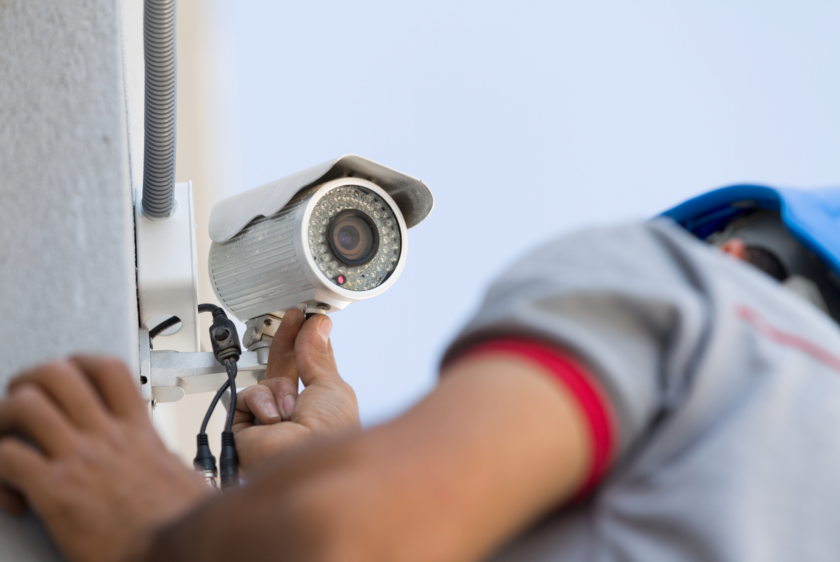
Investing in high-tech Surveillance and Access Control equipment is a critical first step
toward protecting your assets. However, what happens when a camera lens fogs up, a
motion sensor goes offline, or a recording drive fails? Without consistent upkeep, even
the most advanced equipment can let you down when you need it most. Planned
Security System AMC Services and Maintenance close these gaps before they appear.
When exploring the core concepts of Security System AMC Services: Benefits,
Coverage & Best Practices, business owners quickly realise that purchasing the
hardware is only half the battle. Securing an Annual Maintenance Contract (AMC) is the
key to ensuring long-term reliability.
In this guide, we will break down everything you need to know about professional
security system AMC Services, what they cover, and how to maximise your investment.
This overview also highlights the benefits of AMC and outlines best practices security
steps you can adopt. These Security System AMC services are designed to keep
operations reliable without burdening your team.
The Foundation of Security System Maintenance
Effective security system maintenance is about preserving the integrity of your Security
infrastructure. Many organisations fall into the trap of ignoring their systems until a
break-in or hardware failure occurs. In the debate between proactive repair vs reactive
security system maintenance, proactive care always wins. Routine check-ups identify
and resolve vulnerabilities before they result in catastrophic system failures, keeping
your premises continuously secure.
Cost-conscious business owners sometimes weigh the pros and cons of DIY security
maintenance vs professional AMC services. While wiping down a camera lens yourself
is easy, modern integrated security networks are highly complex. Professional
technicians possess the specialised diagnostic tools, software knowledge, and electrical
expertise required to keep integrated hardware functioning safely and effectively.

Understanding the Types of Security System Maintenance Contracts
When you are ready to secure a service provider, you will encounter a few different
types of security system maintenance contracts. Selecting the right one depends
entirely on your budget, risk tolerance, and the age of your equipment.
Biggest decision you will make is choosing between a comprehensive vs non-
comprehensive AMC for security systems:
Comprehensive AMC:
This is the ultimate peace-of-mind package. It typically covers both routine preventative
maintenance visits and the cost of any replacement parts or hardware that fail during
the contract period.
Non-Comprehensive AMC:
Also known as a basic labour contract, this covers routine service check-ups and
emergency technician visits. However, if a camera or NVR needs to be replaced, you
will be billed separately for the parts.
This naturally leads to a common question: how much does Security System AMC cost?
While prices vary based on your geographic location and the size of your facility, a
general rule of thumb is that an annual contract will cost between 10% and 15% of your
original system installation cost.
Decoding the Coverage: What to Expect
A good maintenance contract is highly detailed. If you are wondering what is included in
CCTV AMC coverage, a standard agreement should cover:
- Cleaning and focusing of all camera lenses.
- Checking pan-tilt-zoom (PTZ) functionality.
- Verifying that NVR/DVR storage drives are recording and archiving correctly.
- Testing power supplies and backup batteries.
- Checking cabling for wear, tear, or rodent damage.
Beyond cameras, your contract should secure your physical entryways. A thorough
access control system preventative maintenance checklist will include inspecting
magnetic door strikes, testing biometric or RFID card readers, and running essential
firmware updates to protect against cyber threats.
Additionally, experienced technicians are invaluable when it comes to resolving
recurring sensor failures in alarm systems. Instead of simply resetting a faulty motion or glass-break sensor, a professional will diagnose the root cause—such as environmental
interference, low voltage, or poor alignment—ensuring the false alarms stop for good.
Top Benefits of Regular Security System Health Checks
Benefits of regular security system health checks extend far beyond simple operational
compliance. Here is why an AMC is a smart business investment and the key benefits
of AMC:
Continuous Protection:
Primary goal is minimising downtime for commercial surveillance systems. A dark
camera or a broken electronic lock leaves your business exposed to theft and liability.
Regular maintenance ensures continuous uptime.
Extended Equipment Lifespan:
Dust, weather, and electrical surges degrade hardware over time. Routine cleaning and
calibration can add years to the life of your cameras and control panels.
Priority Support:
Premium contracts often include 24/7 technical support for integrated security networks.
Whether an alarm is blaring at 2:00 AM or a server goes offline on a holiday, you have
guaranteed access to immediate expert help.
Predictable Budgeting:
With a Comprehensive AMC, you lock in your maintenance costs for the year, avoiding
unexpected and expensive emergency repair bills.

Best Practices for Choosing and Managing Your Provider
Knowing how to choose a security system service provider requires looking beyond the
initial price tag. You need a partner who understands your specific industry
requirements. Apply best practices security principles when evaluating vendors and
SLAs so your policies align with real-world risks.
First, carefully review the Service Level Agreement terms for facility security. SLA
should clearly define how often routine preventative maintenance visits will occur (e.g.,
quarterly or bi-annually) and outline the escalation matrix for technical issues.
Pay close attention to the emergency repair response time in security service contracts.
Ensure your contract guarantees a specific response window—such as 4 to 8 hours for
critical failures.
Once your contract is active, you must hold your provider accountable. Implementing
steps for auditing security system maintenance performance ensures you get what you
pay for. Best practices for auditing include:
- Reviewing Service Logs: Ensure technicians are documenting exactly what
was tested, cleaned, or updated during each visit.
- Tracking System Downtime: Keep an internal log of how often equipment fails
and how quickly the provider resolves it.
- Conducting Random Tests: Periodically test panic buttons, trigger door alarms,
or block a camera’s view to see if the system alerts your monitoring center as
expected.
Final Thoughts
A robust security infrastructure requires more than just high-quality hardware; it
demands dedicated, professional upkeep. By understanding the coverage, costs, and
contract types available, you can choose an AMC that perfectly aligns with your facility’s
needs. Embracing proactive maintenance not only extends the life of your equipment
but provides the ultimate peace of mind—knowing your business is safe, secure, and
monitored 24/7.
Frequently Asked Questions (FAQs)
1.Why do I need a Security System AMC if I already invested in high-tech equipment?
Hardware alone can’t guarantee reliability. Without consistent upkeep, issues
like fogged camera lenses, offline sensors, or failed recording drives can go unnoticed
until a critical moment. An Annual Maintenance Contract (AMC) ensures proactive,
routine checks that prevent failures, minimises downtime, and leverages professional
technicians with the diagnostic tools, software expertise, and electrical knowledge
required for modern, integrated security networks.
2.What’s the difference between a Comprehensive and a Non-Comprehensive AMC, and how do I choose?
A Comprehensive AMC typically covers both routine preventive maintenance
visits and the cost of replacement parts that fail during the contract period—offering
peace of mind and predictable budgeting. A Non-Comprehensive AMC covers routine
checks and emergency visits, but parts are billed separately. Choose based on your
budget, risk tolerance, and the age of your equipment: older or mission-critical systems
often benefit from Comprehensive coverage, while newer, lower-risk setups may opt for
Non-Comprehensive plans.
3.What does a standard CCTV and Access Control AMC usually cover?
Typical coverage includes cleaning and focusing camera lenses, checking
PTZ functions, verifying NVR/DVR recording and archiving, testing power supplies and
backup batteries, and inspecting cabling for wear or rodent damage. For Access
Control, it should include inspecting magnetic door strikes, testing biometric/RFID
readers, and performing essential firmware updates to counter cyber risks. Skilled
technicians also diagnose recurring alarm sensor issues (e.g., environmental
interference, low voltage, poor alignment) to stop false alarms at the root.
4.How much does a security system AMC cost?
While costs vary by location and facility size, a common benchmark is
10%–15% of your original system installation cost per year. Comprehensive AMCs help
you lock in maintenance expenses and avoid unexpected repair bills, while Non-
Comprehensive plans may have lower annual fees but can incur parts costs during the
term.
5.What best practices should I follow when selecting and managing an AMC provider?
Look beyond price and align the SLA with your risk profile. Ensure the SLA
specifies preventative maintenance frequency (e.g., quarterly or bi-annual), defines an
escalation matrix, and guarantees rapid emergency response—aim for defined windows
like 4–8 hours for critical failures. Once active, audit performance by reviewing detailed
service logs, tracking system downtime and resolution times, and conducting random
functional tests (e.g., panic buttons, door alarms, blocking camera views) to verify your
monitoring and alerting work as expected.