
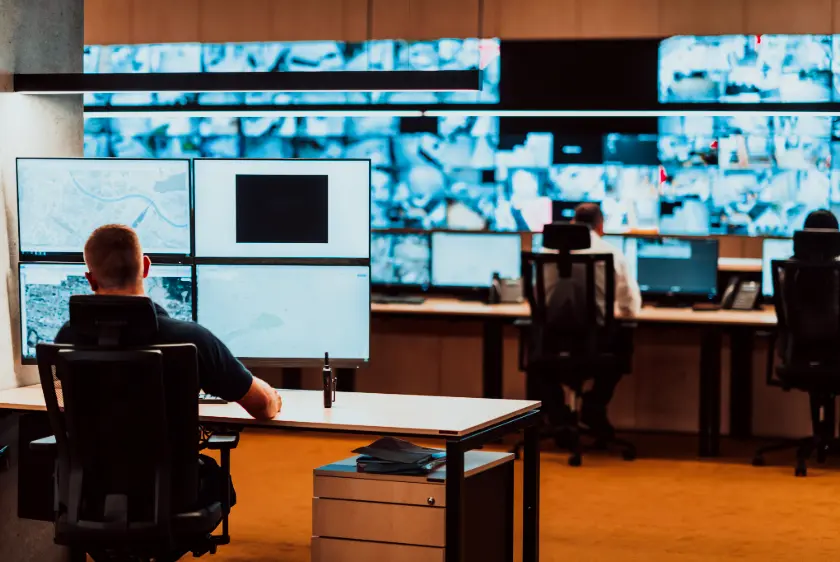
After investing in modern physical security infrastructure including IP cameras, AI-powered video analytics, intelligent turnstiles, and cloud-managed access control many organizations assume their security systems will continue operating optimally with minimal intervention. Once installation is complete and dashboards show all systems online, the project often appears finished.
An enterprise security ecosystem is never static. It is a dynamic network of hardware, software, firmware, and supporting infrastructure that operates continuously under changing environmental, operational, and cyber conditions.
Without ongoing maintenance and intelligent device health monitoring, even the most advanced integrated security network gradually deteriorates. Left unchecked, minor hardware wear, environmental degradation, outdated firmware, and unnoticed network issues quietly transform a multi-million-dollar security investment into a network of silent vulnerabilities.
The Reality of Invisible Security Blind Spots
In large-scale enterprise environments spanning multi-storey corporate towers, manufacturing plants, logistics hubs, or critical infrastructure a malfunctioning security component rarely announces itself with an alarm bell. Instead, systems fail quietly.
Silent Storage Degradation
Video Management System (VMS) servers handle massive continuous data writes across multi-terabyte RAID arrays. Storage drives have a finite lifespan and naturally degrade over time. If a secondary drive in a storage array fails and goes unaddressed, the entire array can collapse, leading to weeks of completely unrecorded footage. Organizations often discover the loss only when investigators attempt to retrieve footage following a security incident.
Environmental Degradation & Optics
Dust, humidity, airborne contaminants, temperature fluctuations, and even spider webs gradually degrade camera optics and image sensors. A camera that delivered crisp 4K resolution at installation can gradually turn into an illegible blur, rendering advanced AI features like License Plate Recognition (LPR) or facial recognition completely useless when an incident occurs.
Network Drift & Packet Dropping
Enterprise networks evolve continuously through IP reconfigurations, bandwidth optimization, VLAN changes, and routing updates. IP cameras or access controllers can suffer from intermittent network drops, dropped frames, or address conflicts that cause subtle blackouts in live coverage without alerting security guards stationed at the main console.
Physical Security as a Cybersecurity Backdoor
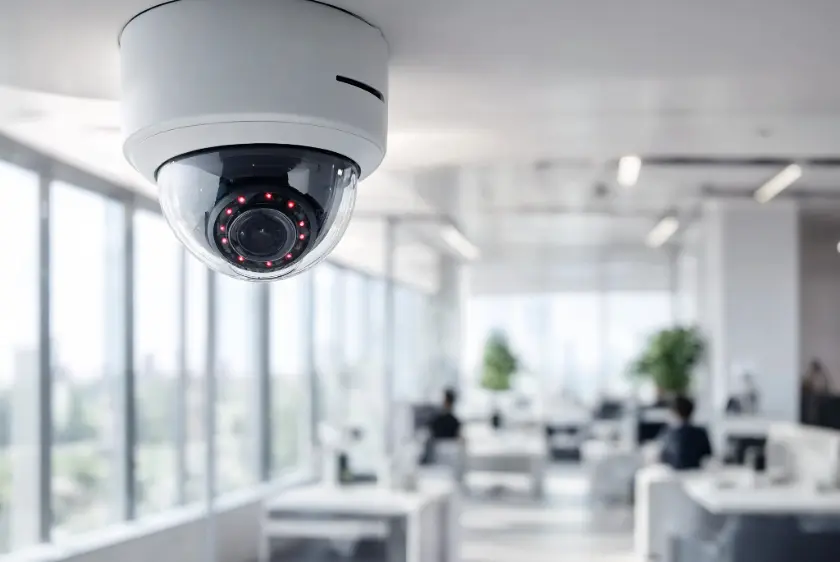
Modern physical security infrastructure no longer operates as isolated closed-circuit systems. Instead, it functions as a fully integrated endpoint across the corporate IP network. Every IP camera, access controller, IoT sensor, and edge device connected to the enterprise network represents a potential cyberattack surface.
Firmware Lifecycle Vulnerabilities
Hardware manufacturers regularly discover software vulnerabilities within device firmware and push security patches to remediate them. Unmaintained physical security devices running outdated firmware become attractive entry points for attackers seeking to compromise corporate networks, exfiltrate sensitive data, or launch Distributed Denial-of-Service (DDoS) attacks.
Credential Sprawl & Privileged Access Risks
System maintenance is not purely physical; it encompasses digital configuration health. Over time, access control permissions naturally inflate. Terminated employees, elevated contractor access rights, and outdated visitor accounts often remain active long after they should have been removed.
Shifting from Reactive Repairs to Predictable AMCs
Relying on a break-fix model—calling a technician only after a device breaks down—is one of the costliest and least predictable ways to manage enterprise infrastructure.
| Cost Factor | Break-Fix / Reactive Model | Proactive AMC Model |
| Service Fees | Premium emergency rates, after-hours labor call-outs | Fixed, predictable monthly or annual budget |
| Logistics | Rush shipping costs for replacement components | Planned inventory management & spare parts staging |
| System Lifespan | Premature hardware failure due to neglected wear | Maximum equipment longevity through regular servicing |
| Downtime | Hours or days of complete operational blind spots | Near-zero downtime with proactive component replacement |
| Staff Productivity | Security guards forced to manually check doors/gates | Fully automated, reliable security workflows |
The True Cost of Downtime
When an automated vehicle gate or turnstile bank fails during peak morning shift changes, the cost extends far beyond the price of a mechanical motor. Thousands of productive employee hours are lost to entry bottlenecks, security staff are diverted from active monitoring to perform manual identity checks, and facility safety is temporarily compromised.
A structured Annual Maintenance Contract (AMC) with Bion Analytx turns unpredictable emergency expenses into a transparent operational expense. Regular preventive maintenance extends hardware service life, reduces total cost of ownership (TCO), and ensures hardware fatigue is identified long before it leads to system failure.
Regulatory Compliance, Legal Exposure, and Insurance Validation
For modern enterprises, surveillance infrastructure reliability directly impacts legal liability, regulatory compliance, and financial risk exposure.
Strict Regulatory Retention Audits
Industries such as financial services, healthcare, pharmaceuticals, data centres, and manufacturing must adhere to strict regulatory guidelines regarding physical security. Frameworks like HIPAA, PCI-DSS, SOC 2, and ISO 27001 demand functional access controls and verified video retention periods. Failing an audit due to dead storage drives or missing access logs can result in severe financial penalties or lost certifications.
Insurance Claim Defense
Following a high-value theft, facility fire, or workplace injury, insurance adjusters launch thorough investigations. If an adjuster discovers that key camera footage was unrecorded because of an unmaintained power supply or dirty lens, insurance companies may cite negligence and reduce, dispute, or even reject claims entirely. Showing documented evidence of regular AMC maintenance demonstrates due diligence and protects your organization against denied coverage.
The Proactive Maintenance Framework
To maintain maximum uptime across physical security assets, enterprise organizations must implement a multi-tiered preventive maintenance schedule:
Monthly System Health Audit
- Verify VMS storage retention periods and RAID array status.
- Check remote connectivity, channel uptime, and stream frame rates.
- Review system event logs for database synchronization errors or repeating warnings.
Quarterly Physical & Firmware Refresh
- Apply latest manufacturer firmware and software security patches.
- Test uninterruptible power supply (UPS) units and backup batteries under active load.
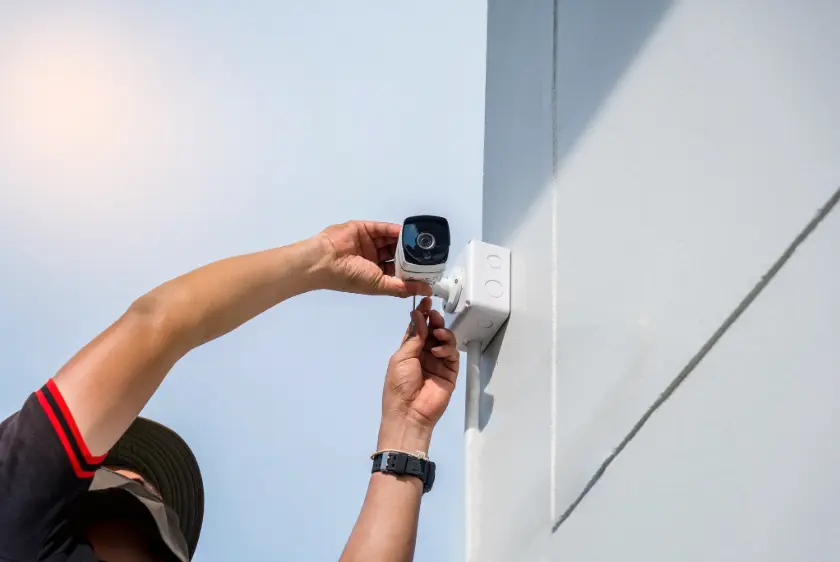
- Perform optics cleaning, housing inspections, and mechanical alignment for motorized components.
Annual Infrastructure Overhaul
- Inspect structural mountings, outdoor conduit integrity, and weatherproofing seals.
- Conduct end-to-end cable testing for signal loss, PoE voltage drops, and grounding integrity.
- Perform a thorough user database audit to prune obsolete access permissions and credentials.
The Bion Analytx Advantage
At Bion Analytx, we view physical security infrastructure as an ongoing operational discipline, not a one-time project. Installing high-performance hardware is only the foundation; maximizing its performance demands continuous vigilance, predictive health monitoring, and deep domain expertise.
Automated Device Health Monitoring
Our centralized health monitoring platform monitors device health 24/7/365. Rather than waiting for your team to discover a dropped video stream or failed controller, it continuously detects voltage anomalies, storage degradation, device outages, firmware vulnerabilities, communication failures, and network connectivity issues—allowing our technicians to resolve problems before they impact operations.

Customized Annual Maintenance Contracts (AMC)
Every facility operates under distinct operational demands and environmental stress factors. Bion Analytx designs tailored AMC structures aligned with your operational realities, and offers guaranteed service level agreements (SLAs), rapid replacement stock staging, dedicated site technicians, and transparent lifecycle reporting.
End-to-End Enterprise Integration
Whether you manage a single high-security facility or multiple geographically dispersed sites, Bion Analytx unifies video surveillance, access control, perimeter detection, and network analytics into a resilient, high-availability platform.
Frequently Asked Questions
Q: Why is an Annual Maintenance Contract (AMC) necessary if our security system is brand new?
A: Manufacturer warranties cover product defects, but they do not include preventive maintenance, firmware updates, sensor cleaning, storage health monitoring, system optimization, or field service. An Annual Maintenance Contract (AMC) keeps your integrated security system reliable, secure, and operating at peak performance throughout its lifecycle.
Q: How often should security system firmware be updated?
A: Firmware should be reviewed monthly and updated at least quarterly, or immediately whenever the manufacturer releases a critical security patch. Keeping firmware current protects connected security devices from known vulnerabilities and cyber threats.
Q: What causes video surveillance footage to go missing without any visible warning?
A: Missing footage is often caused by failing storage drives, RAID failures, network outages, bandwidth issues, power interruptions, or incorrect retention settings. Continuous device health monitoring identifies these issues early, helping prevent unexpected video loss.
Q: How does neglected security maintenance impact business insurance policies?
A: Insurers expect organizations to maintain their security systems. If an incident occurs and critical evidence is unavailable because of poor maintenance—such as failed backup batteries or dirty camera lenses—claims may be reduced or denied due to negligence.
Q: What is included in a Bion Analytx Maintenance Contract?
A: Bion Analytx AMC packages include 24/7 device health monitoring, preventive maintenance, firmware and cybersecurity updates, optics cleaning, wiring inspections, priority SLA support, and detailed health reports. Depending on your requirements, plans can also include spare parts management, emergency support, and lifecycle recommendations.
Q: What are the benefits of proactive device health monitoring for enterprise security systems?
A: Proactive device health monitoring continuously tracks cameras, controllers, storage systems, and other connected security devices. By detecting faults before they affect operations, it reduces downtime, extends equipment life, improves system reliability, and lowers maintenance costs.
Secure Your Enterprise Infrastructure with Bion Analytx
A security system is only as dependable as its last successful health check. Don’t wait for a critical security incident or an enterprise audit failure to discover blind spots in your physical security infrastructure.
Partner with Bion Analytx to transform your security apparatus into a resilient, fully monitored, high-availability ecosystem.
Schedule a comprehensive security health assessment with Bion Analytx and discover how proactive maintenance, intelligent device health monitoring, and customized Annual Maintenance Contracts can maximize uptime, reduce operational risk, and extend the life of your integrated security platform.
Talk to our security experts: marcomm@bion.co.in