
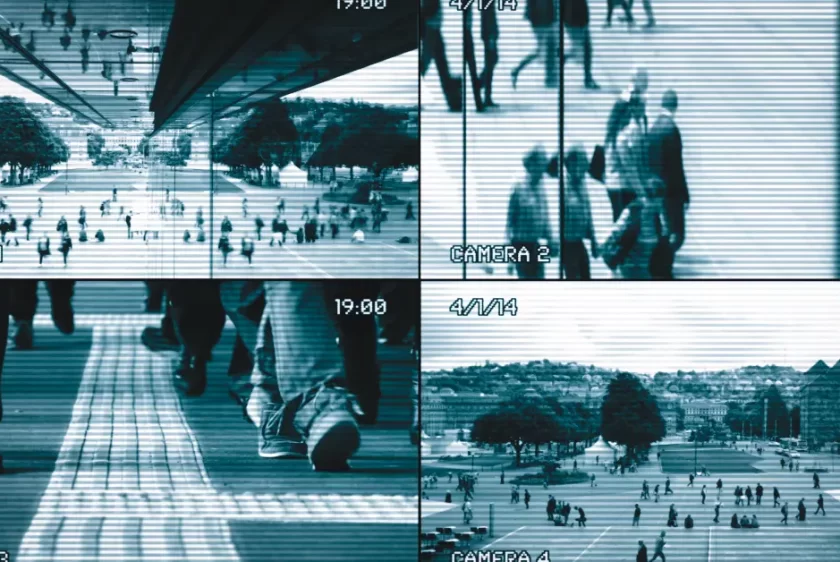
Traditional CCTV systems have long helped organizations monitor facilities and
investigate incidents. However, as security infrastructures expand across multiple
locations and hundreds of cameras, manual monitoring becomes increasingly difficult.
Security personnel cannot realistically always observe every live feed, which often leads
to delayed responses, missed threats, and lengthy investigations.
AI Video Analytics, also known as intelligent video analysis, addresses these
challenges by turning conventional surveillance systems into intelligent monitoring
platforms. Often called AI Video Analytics sometimes written as AI Video Analytics
these solutions do more than record footage: modern analytics software can
automatically identify suspicious activity, analyse behavioural patterns, and notify
security teams in real time through real-time video analysis.
What Is Video Analytics?
Video analytics refers to advanced software technology that automatically examines
video footage captured by surveillance cameras. Using intelligent algorithms, the
system can identify and interpret objects, people, vehicles, and activities within video
streams without requiring operators to manually review hours of recordings. If you are
wondering what intelligent video analytics is, it generally refers to these AI-driven
capabilities layered onto standard CCTV and VMS platforms.
Unlike traditional monitoring systems that rely heavily on human observation, video
analytics software continuously scans live or stored footage and highlights only the
most relevant events. This enables security teams to react more quickly, improve
situational awareness, and conduct investigations more efficiently.
Modern AI-driven video analytics solutions can process data from multiple cameras
simultaneously, helping organizations strengthen security while reducing operational
burden.
How Do Video Analytics Systems Work?
Video analytics platforms analyse either live or recorded footage using specialized
algorithms designed to detect movements, objects, or behavioural patterns. Software
compares changes between video frames and applies programmed logic to determine
whether the activity requires attention.
There are two primary categories of video analytics systems:
Traditional Video Analytics
Conventional systems rely on predefined, rule-based logic. When movement or
changes occur within a camera frame, the software evaluates the activity using “if-then”
conditions to classify events.
While effective for basic monitoring tasks, these systems have limited adaptability. They
cannot learn from previous incidents or improve detection performance over time.
AI-Based Video Analytics
AI Video Analytics expands on traditional systems by incorporating artificial
intelligence and machine learning capabilities. These solutions analyse historical data
and behavioural patterns to improve accuracy continuously.
As the system processes more footage, it becomes better at distinguishing between
normal activity and genuine threats. This adaptive learning significantly reduces false
alerts while improving overall detection performance in unique operating environments.
Common Types of Video Analytics in CCTV Systems
Modern Video Analytics platforms support a wide range of intelligent surveillance
capabilities tailored to different operational requirements.
Automatic License Plate Recognition (ALPR)
ALPR technology automatically reads and records vehicle license plates in real time.
Organizations use it for access management, parking enforcement, traffic monitoring,
and identifying suspicious vehicles.
Crowd Detection
Crowd analytics tools measure population density in public spaces and generate alerts
when overcrowding or unusual gatherings occur. This is especially useful in
transportation hubs, stadiums, and public events.
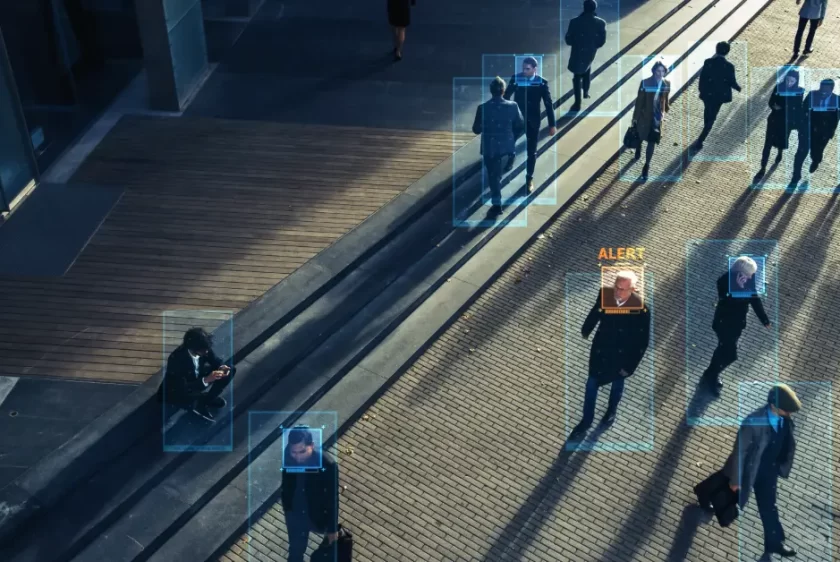
Facial Recognition
Facial recognition systems compare faces captured on camera against stored
databases to identify individuals of interest, unauthorized personnel, or known
offenders.
People Counting
People counting technology tracks how many individuals enter, exit, or move through a
facility. Businesses use it for occupancy management, customer analytics, and security
monitoring.
Object Tracking
Object tracking allows systems to follow specific items, people, or vehicles across
multiple camera feeds. This capability supports logistics management, asset protection,
and incident investigations.
Motion Detection
Advanced motion analytics monitor designated zones and identify unusual movement
patterns while filtering out routine environmental activity.
Unattended Object Detection
This feature identifies bags, packages, or objects left unattended in restricted or high-
risk locations such as airports, malls, and railway stations.
Occupancy Monitoring
Occupancy analytics helps organizations maintain safe capacity levels while providing
valuable insights into space utilization and visitor flow.

Key Benefits of Video Analytics Solutions
Here are the most impactful video analytics benefits for enterprises.
Improved Operational Efficiency
AI Video Analytics continuously monitors surveillance feeds and immediately alerts
personnel when suspicious events occur. Notifications can be delivered through SMS,
email, or centralized dashboards, ensuring faster response times.
Better Decision-Making
Modern analytics systems provide more than simple alerts. By combining facial
recognition, behavioural analysis, and object tracking, operators gain meaningful
context that helps them respond accurately and efficiently.
Reduced False Alarms
False alarms remain one of the biggest challenges in traditional surveillance systems.
AI-driven analytics can differentiate between routine activity and genuine security
threats with far greater precision, significantly reducing unnecessary alerts.
Lower Long-Term Costs
Organizations benefit financially through reduced theft, minimized property damage,
optimized staffing, and faster investigations. Over time, intelligent monitoring systems
can generate substantial operational savings.
Continuous System Improvement
AI-based analytics platforms improve with use. Every monitored event contributes to
refining detection accuracy, allowing the system to adapt to evolving conditions and
emerging security threats.
Why Video Analytics Surveillance Matters
Video analytics shifts organizations from reactive security practices to proactive threat
prevention. Instead of reviewing footage only after incidents occur, teams can identify
risks as they happen and take immediate action.
Intelligent surveillance systems actively monitor every camera feed, detect anomalies
automatically, and deliver alerts to the appropriate personnel in real time. Beyond
security, these systems also provide valuable operational insights related to safety,
compliance, efficiency, and customer behaviour.
For organizations focused on building resilient and future-ready operations, video
analytics has become an essential component of modern infrastructure.
Future Trends in Video Analytics
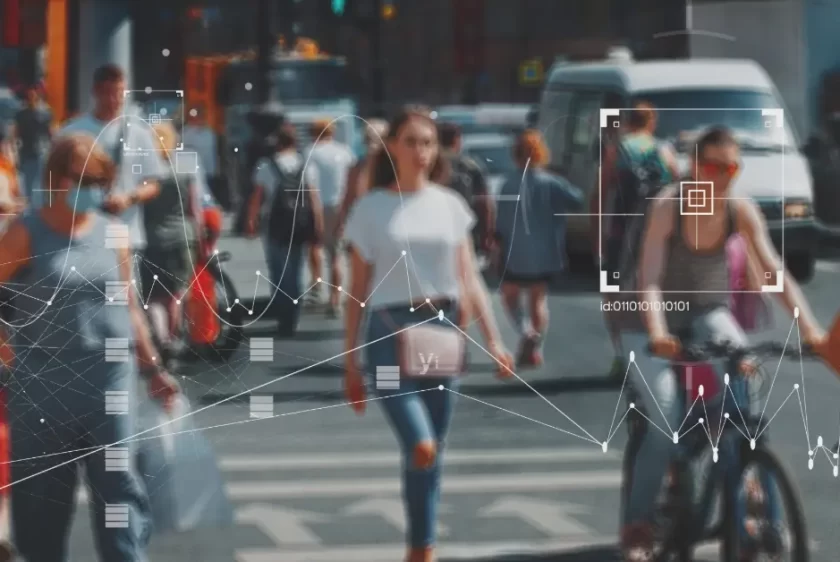
Artificial intelligence adoption continues to accelerate across industries, and video
analytics is becoming a key part of that transformation. Businesses increasingly
integrate analytics platforms with smart buildings, industrial IoT systems, and energy
management technologies.
In addition to improving security, modern video analytics tools now support predictive maintenance, environmental monitoring, and operational automation. As AI technology becomes more affordable and accessible, adoption among businesses of all sizes is expected to grow rapidly over the coming years.
Conclusion
AI Video Analytics solutions are no longer emerging technologies reserved for large
enterprises. They have become practical, scalable tools that help organizations improve
security, operational efficiency, and long-term resilience.
From healthcare and manufacturing to retail and smart cities, intelligent video analytics
transforms standard surveillance infrastructure into proactive systems capable of
protecting people, assets, and operations while generating valuable business insights.
The future of surveillance is not about installing more cameras — it is about making
existing cameras smarter.
Ready to Explore AI-Based Video Analytics Solutions?
Discover how intelligent video analytics can strengthen security, improve operational
visibility, and support smarter decision-making across your organization.
For more information, connect with our team at marcomm@bion.co.in.
Frequently Asked Questions (FAQs)
1.How do traditional rule-based analytics differ from AI-based video
analytics?
Traditional systems use fixed “if-then” rules to flag activity and don’t improve over time,
making them effective only for basic monitoring. AI-based analytics apply machine
learning to historical footage and behavioural patterns, continuously refining their
accuracy. As they learn what’s normal in a given environment, they better distinguish
genuine threats from routine activity, which significantly reduces false alerts and
improves detection performance.
2. Can AI video analytics work with our existing CCTV and VMS platforms?
Yes. Modern AI video analytics are typically layered onto standard CCTV and VMS
setups, turning conventional cameras into intelligent monitoring endpoints. They can
analyse both live and recorded feeds across multiple cameras and locations, and
deliver real-time alerts via SMS, email, or centralized dashboards without requiring
operators to review hours of footage.
3. How do these systems help security teams move from reactive to proactive
operations?
Instead of relying on post-incident review, AI analytics continuously scan every feed,
detect anomalies as they happen, and notify the right personnel immediately. By
combining capabilities like behavioural analysis, facial recognition, and object tracking,
teams gain context to act quickly and accurately preventing incidents or minimizing
impact rather than just investigating after the fact.
4. What operational insights beyond security can video analytics provide?
Beyond threat detection, analytics support safety, compliance, and efficiency use
cases—such as people counting, occupancy and space utilization, visitor flow,
production quality monitoring, equipment issue detection, and adherence to safety gear
requirements. As platforms integrate with smart buildings, industrial IoT, and energy
management, they also enable predictive maintenance, environmental monitoring, and
operational automation.
5. Do we need to install more cameras to benefit from AI video analytics?
Not necessarily. A key advantage of modern analytics is making existing cameras
smarter rather than adding more hardware. By applying intelligent software to your
current infrastructure, organizations can boost detection accuracy, speed response, and
extract actionable insights without large-scale camera upgrades.