
Seeing the Interface, Not the Intelligence
A Video Management System (VMS) is often experienced through a simple
dashboard—live camera feeds, playback options, and alert notifications displayed in an
organized layout. For most users, this interface defines the system.
However, what appears straightforward on the surface is powered by a complex and
highly coordinated backend.
Much like effective security systems, the most efficient VMS platforms are the ones that
operate seamlessly in the background. They manage video data, analyse activity, and
maintain system performance without drawing attention to the processes involved.
Continuous Video Flow and Data Processing
At its core, a VMS is responsible for handling continuous video streams from multiple
sources. Cameras across facilities capture footage and transmit it to the system in real
time.
Behind the dashboard, the system ensures that multiple video streams are processed
simultaneously, timestamps remain synchronized, and live viewing happens without
noticeable delays. This becomes especially important in environments where many
cameras operate together.
System maintains consistent performance so that users can access video instantly
whenever required.
Optimizing Video Without Compromise
Video data is resource intensive. Without proper optimization, storage systems would
quickly become overwhelmed.
A VMS continuously manages this challenge by balancing performance and efficiency.
Video streams are compressed using advanced encoding standards, while bitrate and
resolution adjust dynamically based on network conditions.
Playback quality adapts automatically, ensuring a smooth viewing experience across
devices. These processes happen quietly in the background, allowing organizations to
store large volumes of footage without compromising clarity.

From Video to Intelligence
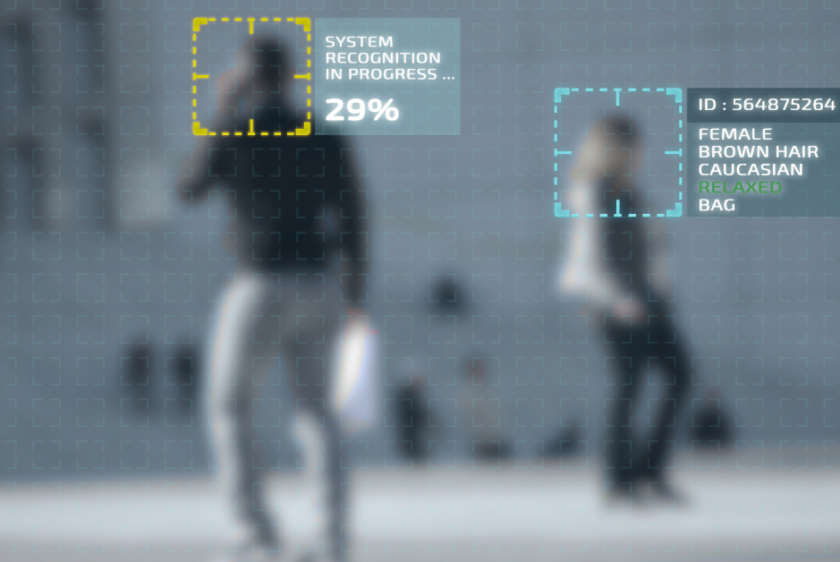
Modern Video Management Systems go beyond recording and playback. They actively
analyse video to generate meaningful insights.
Using artificial intelligence and analytics, a VMS identifies patterns, detects anomalies,
and highlights events that require attention. Instead of relying on constant manual
monitoring, the system focuses on relevant activity and supports faster decision-making.
It can detect unusual behaviour, identify restricted-area access, generate alerts, and
organize video for easy retrieval—transforming raw footage into actionable information.
Structured Storage and Data Management
A VMS handles large volumes of data every day. Managing this data efficiently is
essential for both performance and compliance.
Behind the scenes, footage is organized across storage environments such as on-
premises systems and cloud platforms. Retention policies define how long data is
stored, while older footage is archived or removed automatically.
Critical recordings are prioritized, ensuring that important information is always
accessible when needed.
Security Within the System
Video data often contains sensitive information, making security a critical component of
any VMS.
The system enforces multiple layers of protection to ensure controlled access and data
integrity. Permissions are assigned based on user roles, encryption protects data during
transmission and storage, and system activity is tracked through audit logs.
These measures ensure that video remains secure while maintaining transparency.

Real-Time Alerts and System Responsiveness
A VMS continuously monitors video streams for events that require attention.
When an incident occurs, the system processes it instantly and generates alerts linked
directly to relevant footage. This enables teams to assess situations quickly and take
appropriate action without delay.
Real-time responsiveness plays a key role in improving security outcomes and
operational awareness.
Integration Across Systems
A VMS does not operate in isolation. It is often part of a larger security and operational
ecosystem.
Modern systems integrate with access control platforms, alarm systems, and building
management solutions. This allows systems to share data and provide a unified view of
operations.
With connected systems, organizations can improve coordination and make more
informed decisions.
Why Video Management Systems Matter
In earlier setups, video systems operated as standalone tools, making it difficult to
connect events and respond efficiently.
A modern VMS brings these elements together into a single platform where video,
alerts, and data work in sync. This integration improves visibility, enhances response
times, and supports more efficient operations.

When Systems Work Seamlessly
The effectiveness of a Video Management System is often measured by how
effortlessly it performs.
Users access live feeds without delay.
Recorded footage is easy to retrieve.
Alerts are clear and actionable.
All of this happens because of the processes running behind the dashboard—quietly
ensuring everything functions as expected.
Building Smarter Video Systems with Bion Analytx
At Bion Analytx, we help organizations design and implement Video Management
Systems that connect video, analytics, and monitoring into a unified platform.
Our approach focuses on building intelligent and scalable solutions that enhance
visibility while supporting efficient operations.
Learn more about how a VMS can support your organization, connect with our
team at marcomm@bion.co.in.
Frequently Asked Questions (FAQs)
1. What is a Video Management System (VMS)?
A VMS is software that helps organizations monitor, record, and manage video from
multiple cameras in one centralized platform.
2. How does a VMS handle multiple camera streams?
It processes multiple video feeds simultaneously, ensuring smooth playback, proper
synchronization, and minimal delays.
3. Why is video compression important in a VMS?
Compression reduces file size, helping save storage space while maintaining video
quality for efficient streaming and playback.
4. How does analytics improve a VMS?
Video analytics detect unusual activities and generate alerts, allowing faster response
without constant manual monitoring.
5. Is video data secure in a VMS?
Yes, VMS platforms use encryption, access controls, and audit logs to protect data and
restrict unauthorized access.
6. Can a VMS integrate with other systems?
Yes, it can connect with access control, alarm systems, and building management
platforms for better coordination.